iPhone Unavailable Lockout/iPhone Security Lockout/iPhone Password Quick Ways to
iPhone Unavailable Lockout: Quick Unlock Tips
iPhone Unavailable Lockout: Quick Unlock Tips
Welcome to our article on iPhone Unavailable Lockout! If you’ve found yourself locked out of your iPhone and in need of a quick solution, you’ve come to the right place. In this article, we’ll provide you with valuable tips and techniques to regain access to your device in no time. Whether you’ve forgotten your passcode or your device is disabled, we’ve got you covered with step-by-step instructions and expert advice.
Key Takeaways iPhone Unavailable Lockout:
- Learn how to reset your iPhone password using iTunes, iCloud, or Recovery Mode
- Understand how to restore your iPhone with iTunes and set it up as new or from a backup
- Discover the steps to unlock your iPhone using iCloud and remotely erase your device
- Find out how to use Recovery Mode or DFU Mode to restore your iPhone and overcome the lockout
- Consider reaching out to Apple Support for assistance with your iPhone lockout
Understanding iPhone Unavailable Lockout
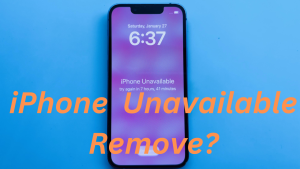
When faced with an iPhone Unavailable Lockout, it can feel frustrating and nerve-wracking. But fear not, as this section aims to shed light on the concept of iPhone Unavailable Lockout and help you grasp why it occurs. By understanding the root causes of this issue, such as forgotten passcodes or disabled devices, you’ll be better equipped to overcome it and regain access to your iPhone.
Forgotten passcodes: iPhone Unavailable Lockout One of the common triggers for an iPhone Unavailable Lockout is forgetting the passcode. Whether we’re dealing with a complex combination or simply a slip of memory, this can lead to a locked device that denies us access to our essential data and functionalities.
Disabled devices: iPhone Unavailable Lockout Another cause of an iPhone Unavailable Lockout is a disabled device. This can happen after too many unsuccessful attempts at entering the passcode. The device becomes temporarily or permanently disabled, making it challenging to unlock and use your iPhone.
To navigate through this issue effectively, it’s crucial to explore various unlocking methods, such as password resets, restoring with iTunes, unlocking with iCloud, and using recovery or DFU mode. Each technique is tailored to specific scenarios and can prove invaluable in resolving your iPhone Unavailable Lockout dilemma.
Resetting Your iPhone Password
If you find yourself locked out of your iPhone due to a forgotten password, don’t worry. There are several methods you can use to reset your iPhone password and regain access to your device. In this section, we will guide you through the step-by-step process of resetting your iPhone password using different methods, including iTunes, iCloud, and the Recovery Mode.
Resetting Your iPhone Password with iTunes
If you have previously synced your iPhone with your computer using iTunes, you can use this method to reset your password. Follow these steps:
- Launch iTunes on your computer and connect your iPhone using a USB cable.
- Select your iPhone when it appears on iTunes.
- Click on the “Summary” tab in the left sidebar.
- Click on the “Restore iPhone” button.
- Follow the on-screen instructions to complete the restoration process.
Note: Restoring your iPhone with iTunes will erase all data on your device. Make sure you have a recent backup before proceeding.

Resetting Your iPhone Password with iCloud
If you have previously set up Find My iPhone and enabled iCloud on your device, you can use iCloud to reset your iPhone password. Here’s what you need to do:
- Visit iCloud.com using a web browser on your computer or another device.
- Sign in to your iCloud account using your Apple ID and password.
- Click on the “Find iPhone” icon.
- Select your iPhone from the list of devices.
- Click on the “Erase iPhone” option.
- Follow the on-screen instructions to complete the erasure process.
Note: Erasing your iPhone with iCloud will delete all data on your device. Ensure you have a recent backup before proceeding.
Resetting Your iPhone Password with the Recovery Mode
If you are unable to use iTunes or iCloud to reset your iPhone password, you can try using the Recovery Mode. Follow these steps:
- Connect your iPhone to your computer using a USB cable.
- Launch iTunes and force restart your iPhone by pressing and holding the Sleep/Wake and Home buttons simultaneously.
- When the “Connect to iTunes” screen appears on your iPhone, release the buttons.
- On your computer, you will see a prompt in iTunes asking you to restore or update your iPhone. Choose the “Restore” option.
- Follow the on-screen instructions to complete the restoration process.
Note: Using the Recovery Mode will erase all data on your iPhone. Make sure you have a backup before proceeding.

Comparison of iPhone Password Reset Methods
| Method | Pros | Cons |
|---|---|---|
| iTunes | – Suitable for users who have previously synced their iPhone with iTunes – Can restore the iPhone to its previous state |
– Erases all data on the device – Requires a computer with iTunes installed |
| iCloud | – Can be used remotely without physical access to the device – Ideal for users who have enabled Find My iPhone |
– Erases all data on the device – Requires an internet connection |
| Recovery Mode | – Can be used as a last resort when other methods fail – Restores the iPhone to its original settings |
– Erases all data on the device – Requires a computer with iTunes installed |
Restoring with iTunes
iPhone Unavailable Lockout When faced with an iPhone that is locked or experiencing issues, restoring the device using iTunes can often serve as a solution. This process involves connecting your iPhone to a computer and initiating a restore, which will erase all data on the device and reinstall the latest iOS version. Here’s how you can restore your iPhone with iTunes:

Step 1: Connect your iPhone to the computer
Start by connecting your iPhone to your computer using the USB cable that came with the device. Ensure that iTunes is installed on your computer and open the program.
Step 2: Initiating the restore
In iTunes, select your iPhone when it appears under the devices section. You will see a summary page for your iPhone, where you can access various options and settings. To initiate the restore, click on the “Restore iPhone” button.
Step 3: Choosing the restore option
After clicking on the “Restore iPhone” button, you will be presented with two options: setting up the iPhone as new or restoring from a backup. If you have a previous backup that you want to restore, choose the backup option. Otherwise, select the option to set up the iPhone as new.
Step 4: Confirming the restore
Before proceeding with the restore, iTunes will prompt you to confirm your decision. Make sure you have backed up all important data as restoring will erase all content on your iPhone. Once you are ready, click on the “Restore” button. iTunes will then begin the restore process.
Step 5: Completing the setup
Once the restore is complete, your iPhone will reboot and prompt you to complete the setup process. Follow the on-screen instructions to set up your iPhone as new or restore it from a backup. This includes signing in with your Apple ID, connecting to a Wi-Fi network, and choosing various preferences and settings.
Restoring your iPhone with iTunes can be a valuable solution when faced with issues or lockouts. Remember to regularly back up your iPhone to ensure that you have a recent backup to restore from if needed.
Unlocking with iCloud
If you find yourself locked out of your iPhone, don’t panic! Luckily, there is a solution that can help you regain access to your device quickly and easily. By utilizing iCloud, you can remotely erase your iPhone and set it up again using your iCloud account. Follow these simple steps to unlock your iPhone with iCloud:
- Make sure you have a stable internet connection.
- Visit the iCloud website on a computer or another device.
- Sign in to your iCloud account using your Apple ID and password.
- Navigate to the “Find iPhone” option.
- Click on “All Devices” and select your locked iPhone from the list.
- In the device’s info window, click on the “Erase iPhone” option.
- Confirm the erasure by entering your iCloud password.
- Once the erasure is complete, you can set up your iPhone again by following the on-screen prompts.
Unlocking your iPhone with iCloud is a convenient and secure method that ensures the safety of your personal data. However, please note that this process will erase all the data on your device, so it’s essential to have a backup before proceeding.
Tip: If you have enabled the “Find My iPhone” feature on your device, you can access the iCloud website from any computer or device with internet access.
| Advantages of Unlocking with iCloud | Disadvantages of Unlocking with iCloud |
|---|---|
| 1. Remote access to erase your iPhone | 1. Complete data loss |
| 2. Convenient and user-friendly | 2. Requires stable internet connection |
| 3. Secure method | 3. Need to have a backup before erasing |
Unlocking your iPhone with iCloud is a reliable solution, allowing you to regain access to your device without the need for additional software or technical expertise. Remember to follow the steps carefully and be prepared for the data on your iPhone to be erased. With iCloud, you can get back to using your device in no time!
Recovery Mode and DFU Mode
In situations where you find your iPhone locked and unresponsive, Recovery Mode and DFU Mode can come to your rescue. These special modes allow you to perform a restore via iTunes, effectively resolving the lockout issue and bringing your iPhone back to its normal functioning state. Let’s take a closer look at how to use these modes to regain access to your device.
Entering Recovery Mode
To enter Recovery Mode, follow these steps:
- Connect your iPhone to your computer using a USB cable.
- Launch iTunes on your computer.
- Force restart your iPhone by pressing and holding the Sleep/Wake button and either the Volume Up or Volume Down button, depending on your iPhone model. Continue holding these buttons until you see the recovery screen.
- In iTunes, you’ll see a message stating that your iPhone is in Recovery Mode and needs to be restored. Click on the “Restore” option to begin the restore process.
- Wait for iTunes to download the necessary software and restore your iPhone. This may take some time, so ensure that your computer stays connected to the internet throughout the process.
- Once the restore is complete, you can set up your iPhone as new or restore it from a backup to retrieve your data and settings.
Entering DFU Mode
If Recovery Mode doesn’t resolve the lockout issue, you can try entering DFU (Device Firmware Update) Mode:
- Connect your iPhone to your computer using a USB cable.
- Launch iTunes on your computer.
- Force restart your iPhone by pressing and holding the Sleep/Wake button and either the Volume Up or Volume Down button, depending on your iPhone model.
- Release the Sleep/Wake button after 8 seconds, but continue holding the Volume Down button.
- Keep holding the Volume Down button for about 5 seconds. If the Apple logo appears, it means you’ve held it for too long. In that case, start the process again.
- If your iPhone’s screen stays black, it means you’ve successfully entered DFU Mode. You’ll see a message in iTunes stating that your iPhone has been detected in recovery mode.
- Click on the “Restore” option to initiate the restore process.
- Wait for iTunes to download the necessary software and restore your iPhone. This may take some time, so ensure that your computer stays connected to the internet throughout the process.
- Once the restore is complete, you can choose to set up your iPhone as new or restore it from a backup to recover your data and settings.
By following these instructions, you can effectively leverage Recovery Mode and DFU Mode to overcome iPhone lockouts and regain access to your valuable data. However, it’s important to note that restoring your device will erase all its contents, so make sure you have a recent backup to restore from. If you encounter any difficulties during the process, consider reaching out to Apple Support for further assistance.
Contacting Apple Support
When facing an iPhone lockout, reaching out to Apple Support can be a valuable option to resolve the issue. Apple Support offers assistance and guidance to help you regain access to your device. Here, we will discuss how to contact Apple Support and the support options available to users.
When contacting Apple Support, it is important to have proof of ownership ready. This could include the original purchase receipt, the device’s serial number, or any other documentation that establishes your ownership of the iPhone.
There are multiple ways to get in touch with Apple Support. One option is to visit the Apple Support website and initiate a chat session with a support representative. This allows for real-time communication and immediate assistance.
If you prefer to speak directly to a support representative, you can utilize the Apple Support phone line. Apple provides a toll-free number that you can call to connect with a knowledgeable representative who can guide you through the unlocking process.
Another option is to schedule an appointment at an Apple Store. This allows you to bring your iPhone to a physical location where an Apple expert can assess the lockout situation and provide hands-on support.
Apple Support offers comprehensive assistance for iPhone lockouts, covering a range of issues from forgotten passcodes to disabled devices. Their dedicated support team is well-equipped to help you navigate through the unlocking process and regain access to your device.
“Contacting Apple Support for assistance is a reliable way to resolve iPhone lockouts. Their knowledgeable support team can guide you through the unlocking process and ensure a smooth resolution.”
Preventing Future Lockouts
To avoid future iPhone lockouts and ensure seamless device access, it is crucial to implement preventive measures. By following these essential tips, you can significantly reduce the risk of encountering an iPhone lockout.
1. Set Up Face ID or Touch ID
Take advantage of Apple’s advanced biometric authentication features to enhance your device’s security. Set up Face ID or Touch ID on your iPhone to conveniently unlock it using your face or fingerprint.
2. Use a Strong Passcode
Avoid using easily guessable passcodes to prevent unauthorized access to your iPhone. Choose a complex combination of digits or an alphanumeric passcode that includes uppercase and lowercase letters, numbers, and special characters.
3. Enable Find My iPhone
Activate the Find My iPhone feature on your device. This powerful tool allows you to locate your iPhone if it gets lost or stolen and even enables you to remotely erase your data to protect your privacy.
4. Regularly Back Up Your Device
Ensure you regularly back up your iPhone data to iCloud or iTunes. This practice serves as a safety net in case of any unforeseen issues or device lockouts, allowing you to restore your data and settings effortlessly.
Expert Tip: Taking these preventive measures not only helps prevent iPhone lockouts but also ensures the safety of your personal data and the smooth functioning of your device.
5. Keep Your iOS Up to Date
Regularly update your iOS software to the latest version provided by Apple. These updates often include security patches and bug fixes that can strengthen your device’s defenses against potential threats.
6. Be Wary of Unauthorized Services or Modifications
Avoid using unauthorized services or modifications that claim to unlock your iPhone. These can pose significant risks to your device’s security and may even void your warranty. Stick to Apple-approved methods for unlocking your device.
7. Use Two-Factor Authentication
Add an extra layer of security to your Apple ID and iPhone by enabling two-factor authentication. This feature provides an additional verification step, enhancing the protection of your personal information and preventing unauthorized access.
| Preventive Measures | Advantages |
|---|---|
| Set Up Face ID or Touch ID | Convenient and secure biometric authentication |
| Use a Strong Passcode | Enhanced protection against unauthorized access |
| Enable Find My iPhone | Locate and remotely erase your iPhone |
| Regularly Back Up Your Device | Effortless data restoration in case of lockouts |
| Keep Your iOS Up to Date | Receive the latest security patches and bug fixes |
| Be Wary of Unauthorized Services or Modifications | Avoid risks and potential damage to your device |
| Use Two-Factor Authentication | Extra layer of security for your Apple ID and iPhone |
Third-Party Unlock Services
While grappling with an iPhone lockout can be frustrating, it’s important to approach potential solutions with caution. Third-party services that claim to unlock iPhones may seem like a hassle-free alternative, but they come with risks.
Users should exercise caution when considering third-party iPhone unlock services. These services often lack the necessary expertise and may resort to unethical practices, compromising the security and integrity of your device.
Before engaging any third-party service, do thorough research to ensure their credibility and reputation. Read customer reviews, check their online presence, and consider seeking recommendations from trusted sources.
It is crucial to be aware of the potential risks involved in using third-party services. These can include:
- Installation of malware or spyware on your device
- Data breaches and unauthorized access to personal information
- Violation of Apple’s terms and conditions, resulting in permanent device lockout or limited functionality
Instead of relying on third-party unlock services, it is recommended to explore official methods provided by Apple or reach out to their support for assistance. Apple’s support team has the expertise and resources to address iPhone lockout issues in a secure and reliable manner.
Remember, taking a cautious and informed approach to solving an iPhone lockout ensures the safety of your personal data and the integrity of your device.
Additional Security Measures
Protecting your iPhone from unauthorized access and potential security threats is crucial in today’s digital age. In addition to the unlock tips mentioned earlier, there are several additional security measures you can take to enhance the safety of your device. Implementing these measures will help safeguard your personal data and give you peace of mind.
Two-Factor Authentication
Enabling two-factor authentication adds an extra layer of security to your iPhone. This feature requires a verification code in addition to your password when signing in to your Apple ID. By enabling two-factor authentication, you ensure that only trusted devices can access your account, preventing unauthorized access to your personal information.
Automatic Updates
Regularly updating your iPhone’s operating system is a simple yet effective way to protect against security vulnerabilities. Apple releases software updates that address known security issues, provide bug fixes and introduce new features. By enabling automatic updates, you ensure that your device receives the latest security patches as soon as they are available.
App Permissions
When installing apps on your iPhone, it’s essential to be vigilant about the permissions you grant them. Some apps may request access to your camera, microphone, location, or contacts, which could compromise your privacy. Take the time to review and understand the permissions that an app requires before granting access. Limiting unnecessary permissions helps ensure that your personal data remains secure.
“Protecting your iPhone with additional security measures is vital in safeguarding your personal information and digital privacy.”
Implementing these suggested practices will significantly enhance the security of your iPhone, keeping your data safe from unauthorized access. By using two-factor authentication, enabling automatic updates, and carefully managing app permissions, you can enjoy a worry-free mobile experience.
Conclusion
iPhone Unavailable Lockout In conclusion, dealing with an iPhone lockout can be a frustrating experience. However, by following the unlock tips and security measures discussed in this article, you can regain access to your device and prevent future lockouts.
Resetting your iPhone password is often the first step towards unlocking your device. Whether you choose to use iTunes, iCloud, or enter Recovery Mode, each method provides a way to restore your iPhone and start afresh.
Additionally, it’s crucial to prioritize preventive measures to safeguard your iPhone. By enabling features like Face ID or Touch ID, setting strong passcodes, regularly backing up your device, and being cautious of third-party unlocking services, you can enhance your device’s security and minimize the risk of lockouts.
Remember, iPhone Unavailable Lockout can happen to anyone, but with the right knowledge and precautions, you can overcome these challenges and enjoy a seamless iPhone experience. Stay informed, stay proactive, and keep your iPhone unlocked and secure.
FAQ
What is iPhone Unavailable Lockout?
iPhone Unavailable Lockout refers to a situation where you are unable to access your iPhone due to various reasons, such as wrong passcode entries or a disabled device.
How can I reset my iPhone password?
To reset your iPhone password, you can use different methods. You can try using iTunes, iCloud, or the Recovery Mode to regain access to your device. Follow the specific instructions provided in each method to reset the password.
How do I restore my iPhone using iTunes?
Restoring your iPhone using iTunes involves connecting your device to your computer, launching iTunes, and initiating a restore process. You can set up your iPhone as new or restore it from a backup depending on your preference.
Can I unlock my iPhone using iCloud?
Yes, you can unlock your iPhone using iCloud. By remotely erasing your device through iCloud and setting it up again using your iCloud account, you can regain access to your iPhone.
How do I use Recovery Mode or DFU Mode to unlock my iPhone?
To use Recovery Mode or DFU Mode to unlock your iPhone, you need to follow specific steps. Entering these modes allows you to restore your iPhone via iTunes and overcome the lockout. Refer to the instructions provided for entering and using each mode.
What should I do if I need assistance with an iPhone lockout?
If you need assistance with an iPhone lockout, we recommend reaching out to Apple Support. Be prepared to provide proof of ownership and explain your situation. Apple Support offers various options to help you resolve the issue.
How can I prevent future iPhone lockouts?
To prevent future iPhone lockouts, you can take several precautions. Set up Face ID or Touch ID for easy and secure access, use a strong passcode, enable Find My iPhone to track and remotely erase your device if needed, and regularly back up your device for added security.
Are third-party iPhone unlock services reliable?
While there are third-party services that claim to unlock iPhones, it is essential to exercise caution. These services come with risks, and it is advisable to do thorough research and consider the potential consequences before using them.
What additional security measures can I take for my iPhone?
iPhone Unavailable Lockout There are additional security measures you can implement for your iPhone. Enable two-factor authentication for added protection, ensure automatic updates are enabled to keep your device secure and be mindful of app permissions to safeguard your personal information.